
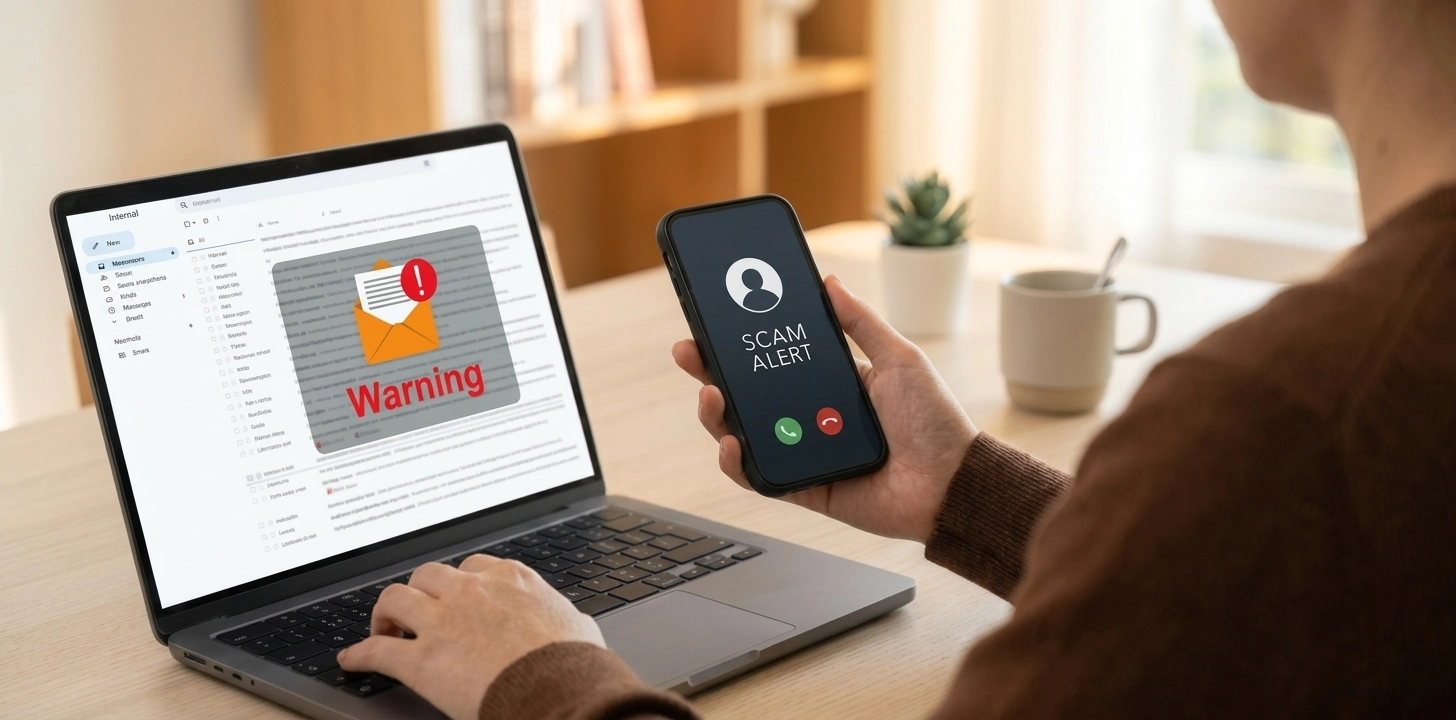
For millions of American veterans and their families, monthly disability compensation, pension checks, and education payments from the Department of Veterans Affairs cover essential bills like rent, groceries, and medical care. Because these payments are steady and earned through service, criminals continually try to imitate official government agencies and exploit veterans’ trust.
On November 16, 2026, the Federal Trade Commission issued a consumer alert warning veterans about three active VA benefits scams designed to steal personal records, charge illegal fees, and divert monthly payments. Published alongside a post on the federal Military Consumer portal, the alert notes that complaints sent to both regulators and the Department of Veterans Affairs show fraudsters making false promises about “100% disability ratings and fast-tracking your benefits claim”.
Rather than describing a single criminal ring, federal officials highlight three separate traps that rely on everyday habits: misdialing a phone number, scrolling through social media, and opening physical mail.
The first scam begins with a simple dialing mistake on a smartphone keypad or landline. Criminals register toll-free numbers that differ by just one digit or prefix from genuine government helplines, so a veteran who misreads a flyer or taps a wrong number can connect directly to an impostor instead of the Department of Veterans Affairs.
In earlier fraud guidance, the Department of Veterans Affairs warned that telephone operators often praise a caller’s military service to build trust before claiming a benefit file needs urgent attention. The caller is then pressured into paying upfront fees for help filing or upgrading a claim, even though a recognized veterans service organization, claims agent, or attorney “will never charge you to file a VA benefits claim”.
A second tactic targets veterans on social media platforms such as Facebook and TikTok, where scammers buy ads promoting fake veterans’ grant programs. In a Veterans Day warning published on November 10, 2026, federal consumer officials explained that fraudsters often review public profile details, including service branches, promotion photos, and tagged locations, to make direct messages feel personal and believable.
Once a conversation starts, the scammer steers the victim toward verifying grant eligibility. Simply handing over a personal bank routing and account number does not give a thief access to a government portal, though criminals can use those numbers to attempt unauthorized bank withdrawals.
Instead, direct-deposit redirection happens in one of two ways: either the scammer tricks the veteran into typing the criminal’s bank routing and account numbers into their government profile, or the scammer steals Social Security numbers and login credentials for VA.gov to change payment destinations themselves. Because the Department of Veterans Affairs consolidates direct-deposit settings so that disability compensation, pension, and education benefits route to a single bank account, one unauthorized change can divert all three payment streams at once.
The third scheme bypasses smartphone spam filters and email blockers altogether by arriving in a home mailbox. The Department of Veterans Affairs first warned families about this wave in a June 10, 2026 fraud alert, flagging official-looking postcards advertising a nonexistent “Veterans Savings Program”.
To appear authentic, these mailers mention real military healthcare programs such as TRICARE, dental coverage, and the Civilian Health and Medical Program of the Department of Veterans Affairs, known as CHAMPVA. The cards also impose a short deadline, such as five days, to rush recipients into calling a printed toll-free number. Commercial data brokers frequently compile and sell mailing lists containing veterans’ names and addresses drawn from public records and consumer databases, helping explain how unsolicited postcards reach specific households. Anyone who calls the number is asked to hand over their date of birth, Social Security number, and banking details.
Protecting your monthly benefits starts with knowing that the Department of Veterans Affairs never offers extra cash through unsolicited postcards or social media direct messages, and never charges a fee to process a claim. Never call a phone number printed on an unexpected postcard, text message, or online ad. Instead, save the official Department of Veterans Affairs main benefits helpline, 1-800-827-1000 or 711 for relay services, available Monday through Friday from 8:00 a.m. to 9:00 p.m. Eastern Time.
Before sharing paperwork for a disability or pension claim, confirm that the person offering help is officially recognized through the free Department of Veterans Affairs Accreditation Search tool. End the call or chat immediately if anyone asks for an upfront fee or guarantees a 100 percent rating.
It is also smart to check your payment settings regularly by signing in directly at the VA.gov direct-deposit portal using a verified CLEAR, ID.me, or Login.gov account with multi-factor authentication turned on. Veterans without internet access can check or update their banking instructions by calling 1-800-827-1000 or visiting any VA regional office in person.
If you think you shared banking details, a Social Security number, or login credentials with a scammer, contact your bank or credit union right away to freeze the affected account and block unauthorized transfers. Next, call the Department of Veterans Affairs at 1-800-827-1000 to check your direct-deposit routing instructions and flag your file, then reset your CLEAR, ID.me, or Login.gov password.
If your Social Security number was exposed, place a free credit freeze with Equifax, Experian, and TransUnion and follow the recovery steps at IdentityTheft.gov to stop criminals from opening new credit lines or filing fake tax returns. You can report suspected benefit fraud through the government’s VSAFE fraud portal or by calling the VSAFE Fraud Hotline at 1-833-38V-SAFE (1-833-388-7233). Scams involving healthcare coverage like TRICARE or CHAMPVA can also be reported to the Veterans Health Administration Office of Integrity and Compliance Helpline at 1-866-842-4357 and to the Federal Trade Commission at ReportFraud.ftc.gov.
Editorial Note: Neither the Federal Trade Commission nor the Department of Veterans Affairs has published confirmed victim totals or specific dollar losses associated with the three scam methods covered in this warning.

Community discussion
Join the conversation
0 comments
Be the first to join in
There are no comments yet. Sign in to start a thoughtful discussion.
Sign in to comment
Join the conversation with your Secritic account. Comments are available to signed-in readers.