
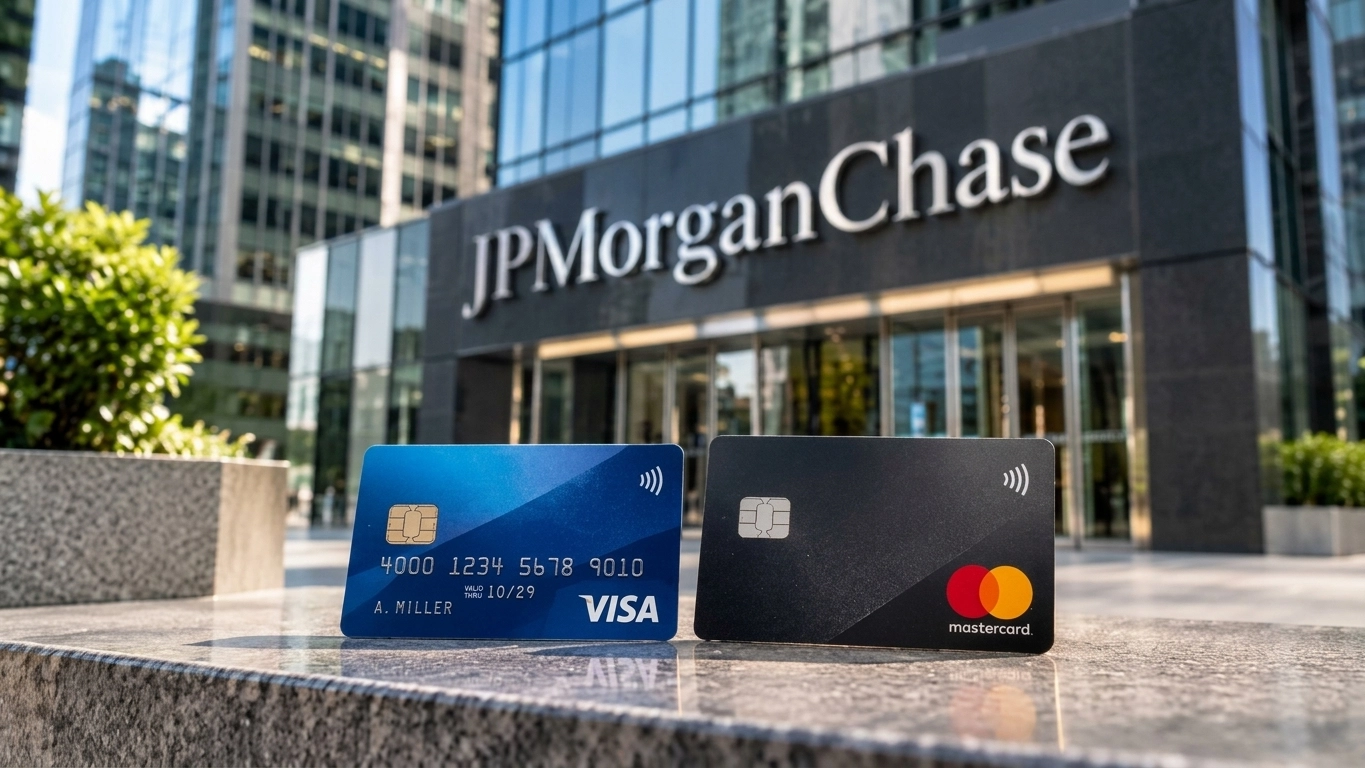
JPMorgan Chase, Visa and Mastercard confirmed on Thursday, November 19, 2026, that cyberattackers breached outside service providers holding customer marketing, travel and concierge records, days after an extortion gang threatened to leak the stolen files online.
The disclosures followed the expiration of a 48-hour ransom countdown on the dark web leak site operated by the extortion group n0n. Once that deadline passed, the group published spreadsheets containing thousands of customer email addresses, phone numbers and loyalty program records tied to all three financial giants.
For everyday bank customers and cardholders in the United States, the United Kingdom and around the world, all three companies said their core banking systems and payment networks were not affected, and neither their statements nor the files examined so far by researchers show compromised credit card numbers, security codes, login passwords or account balances.
Earlier this week, an initial Secritic investigation into n0n’s dark web extortion claims noted that simultaneous listings targeting multiple financial institutions pointed toward a breach at an outside marketing or loyalty contractor rather than direct intrusions into bank servers. Thursday’s official statements from all three companies confirmed that third-party vendors were indeed the targets.
JPMorgan Chase addressed the incident in a statement posted on X and shared with reporters, confirming that outside contractors working for the bank had been compromised. “Based on our investigation so far, we believe the attackers accessed certain marketing data held by those vendors, which may include some customer names and email addresses,” the bank said, adding that there has been no disruption to its customer services.
JPMorgan Chase also moved quickly to separate the vendor breach from the technical glitches that prevented many customers from logging into accounts or sending Zelle payments earlier in the week, which the bank attributed to an internal software update. “There is no connection to service disruption some customers experienced earlier this week,” JPMorgan Chase said on Thursday. In its statement, the bank also confirmed that where appropriate, it will contact affected customers directly and offer support, including complimentary credit monitoring.
Mastercard issued a separate disclosure on Thursday confirming that one of its outside suppliers had been compromised. A Mastercard spokesperson told The Wall Street Journal that the incident exposed a “limited amount of information from a subset of cardholders enrolled in a specific benefit program.” The spokesperson added that the exposure has been contained and that there is no impact on Mastercard’s payment network or people’s ability to use their cards.
Visa similarly confirmed that its internal systems and payment infrastructure were unaffected. A Visa spokesperson said the claims are “associated with an incident involving a third-party service provider in Asia-Pacific,” adding that “Visa’s systems were not involved and were not impacted” and that “no payments data such as card numbers were affected.”
To understand why outside companies hold this information, it helps to separate how banks process money from how they run customer perks. Core banking systems store account balances, card numbers, PINs and login passwords under strict security controls. Outside marketing and concierge vendors, by contrast, help banks and card networks send promotional emails, coordinate airport lounge access or manage restaurant reservations. When attackers breach one of those partners, they typically obtain contact lists and program histories rather than banking credentials.
Independent security analysts and financial reporters examining the spreadsheets leaked on Thursday found that the files match third-party marketing and concierge profiles rather than core banking records. According to an analysis by American Banker, the JPMorgan Chase dataset contains roughly 16,700 records tied to the bank’s invite-only J.P. Morgan Reserve credit card program, each listing an email address and a mostly US ZIP code alongside a few hundred phone numbers and member ID numbers. Although JPMorgan’s cautious statement noted that customer names might be included, researchers reviewing the leaked file found no customer names and nothing linking those member IDs to bank or card account numbers, though a review by Cybernews also spotted 124 internal JPMorgan and Chase employee email addresses inside the archive.
For Visa, both American Banker and a separate Cybernews investigation found roughly 6,500 cardholder profiles across 16 Asia-Pacific markets, including Hong Kong, Japan, Singapore, South Korea and Australia, along with about 34,600 concierge booking reminders containing names, email addresses, phone numbers and dining or travel campaign details. Meanwhile, Cybernews researchers examining the Mastercard files identified roughly 2,000 concierge and marketing records covering cardholders in North America, the Middle East and Africa, naming issuing banks such as Saudi Awwal Bank and Riyad Bank, while noting formatting errors that suggest some entries may be test data.
At the same time, readers should understand that major uncertainties remain and investigations are still unfolding. First, none of the three financial institutions has publicly named the breached third-party provider or providers, nor have they disclosed when the intrusion actually occurred. Second, it is still unproven whether all three incidents trace back to a single shared contractor or separate vendor breaches. American Banker noted that the Visa and Mastercard spreadsheets share a nearly identical file layout, which points toward a common vendor, whereas the JPMorgan Chase files hold similar travel and concierge data in a different format.
Third, independent analysts cannot verify whether the n0n group holds larger unpublished archives beyond the spreadsheets dumped on Thursday. While n0n boasted on its leak portal of possessing more than 1.5 million Visa program interactions and thousands of additional Chase records, those higher numbers remain unconfirmed claims. Finally, researchers are uncertain how the data was obtained. Recorded Future analyst Andrei Barysevich told The Wall Street Journal that n0n, which emerged in September 2026, recruits outside hackers who already broke into corporate networks in exchange for a share of ransom payouts, and cybersecurity firm SOCRadar told Yahoo Finance that it could not independently verify whether n0n carried out the intrusion itself.
Official statements and leaked data reviews indicate cardholders do not need to cancel cards, close accounts, or reset banking passwords, as core payment networks and card numbers remain uncompromised. However, because ongoing investigations have yet to publicly name the affected vendors, customers should remain vigilant. Scammers may exploit leaked contact information and loyalty data to launch targeted phishing campaigns. Cardholders are advised to monitor statements, treat unexpected communications regarding perks or verifications with skepticism, and verify alerts directly through official banking apps or customer service lines.
Community discussion
Join the conversation
0 comments
Be the first to join in
There are no comments yet. Sign in to start a thoughtful discussion.
Sign in to comment
Join the conversation with your Secritic account. Comments are available to signed-in readers.