
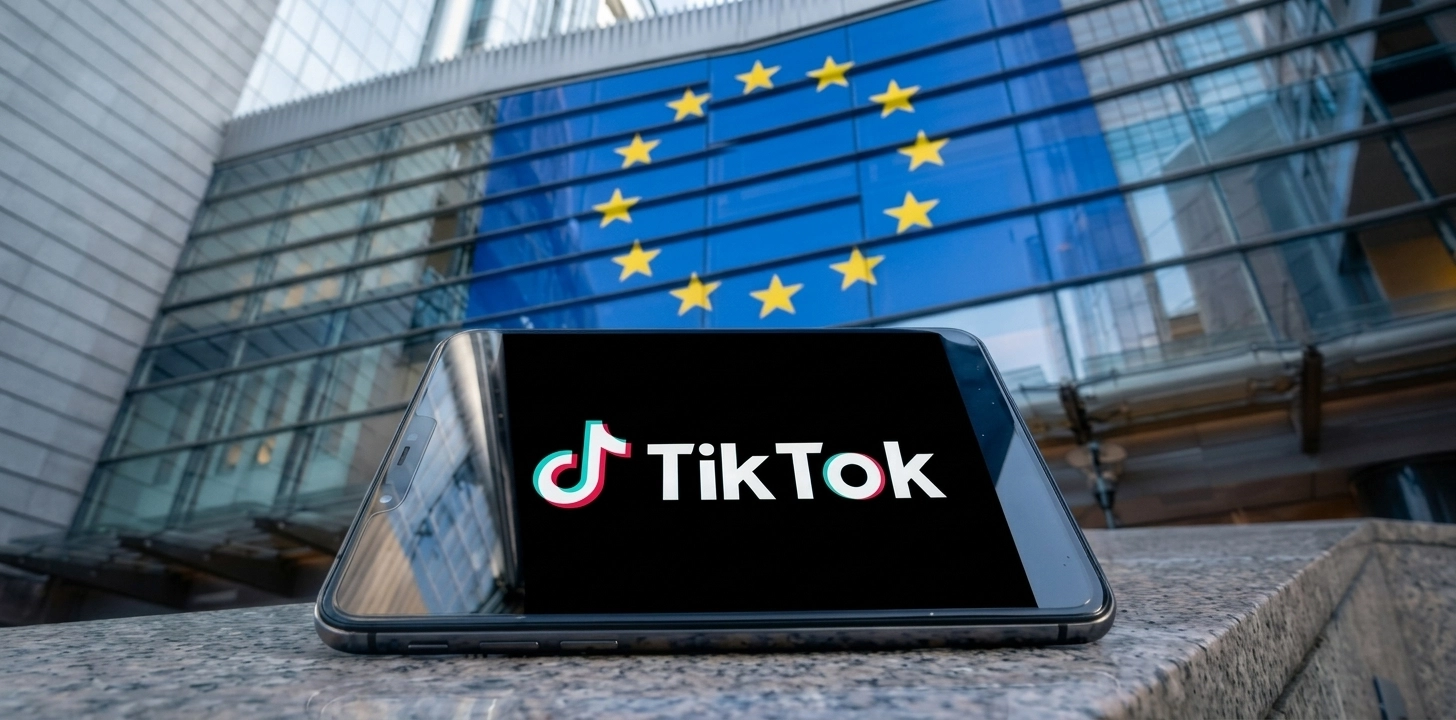
The European Commission has accused TikTok of failing to properly assess and reduce the risks created by its recommendation algorithm, warning that the platform’s For You feed can repeatedly expose users to potentially harmful content about body image, sadness and isolation.
The preliminary findings, published on 6 November, focus on what regulators call the “rabbit hole effect”. This happens when someone watches or interacts with a particular type of video and the platform continues recommending similar material.
For example, a person who repeatedly watches videos about weight loss or body image may keep receiving recommendations on the same subject. The Commission is concerned that repeated exposure to this kind of content could affect mental wellbeing, particularly among children and vulnerable adults.
The issue is not simply that these videos appear on TikTok. The Commission is questioning how the platform’s recommendation system can repeatedly direct users towards similar material, even when the cumulative effect may be harmful.
TikTok’s For You feed uses signals from people’s activity to personalise the videos they see. In its own explanation of the system, the company says these include videos users like or share, accounts they follow, comments they post and whether they watch a video to the end. TikTok says completing a longer video can be a stronger signal of interest than some other factors.
The Commission argues that this approach gives too much importance to viewing time compared with what users explicitly say they want to see. It also says TikTok has not adequately assessed how its recommendation system could lead people into repeated content loops or introduced effective enough measures to reduce the risks.
Regulators have questioned the effectiveness of TikTok’s existing content-diversity measures and user controls. For example, the Commission says selecting “Not interested” may not be enough to change the recommendations a person receives. Similar videos can continue appearing despite users indicating that they want to see less of a particular subject.
The Commission wants TikTok to reconsider how its For You feed works. Its proposed changes include giving greater weight to users’ stated preferences, no longer using viewing time as a signal for recommending content, making controls easier to find and use, and regularly testing the recommendation system.
The findings are not a demand to remove every video about body image or mental health. During its 6 November press briefing, the Commission made clear that the concern is about repeated exposure to content that may be legal, rather than simply removing individual videos.
TikTok strongly disputes the assessment. The company says the Commission’s statements are fundamentally inaccurate and misrepresent how its platform works and its commitment to user safety. It maintains that users have direct control over their content experience.
TikTok has also pointed to its existing filtering tools. The Guardian reported that the company said more than 79 million users in the EU had used its “Not interested” or keyword filters during the first six months of 2026. That is a figure supplied by TikTok, rather than an independently audited measure of how effectively those tools prevent harmful recommendations.
The findings form part of the European Commission’s wider investigation into TikTok under the Digital Services Act, which began in February 2024. The law requires very large online platforms to assess and address systemic risks arising from the design and operation of their services, including risks to minors and serious negative effects on people’s physical and mental wellbeing.
The Commission has already issued other preliminary findings within these wider proceedings. In February 2026, it raised concerns about potentially addictive design features such as infinite scrolling, autoplay and push notifications. In July, it raised separate concerns about the default safety settings of minors’ accounts, including the visibility and recommendation of their content. Those issues are related to platform safety but are distinct from the latest findings about repeated recommendations.
You May Also Like
TikTok can now examine the evidence in the Commission’s investigation file and submit its response. The European Board for Digital Services will be consulted in parallel. The Commission has not yet issued a final non-compliance decision.
If the findings are ultimately confirmed, the Commission could order TikTok to take measures to address the alleged breach. Under Article 74 of the Digital Services Act, a fine could reach up to 6% of the provider’s total worldwide annual turnover in the preceding financial year. The amount would depend on the circumstances of the infringement. This is a possible legal maximum, not a fine TikTok has already received.
For users, the announcement does not mean the For You feed has already changed. The findings are still preliminary, and TikTok has the opportunity to challenge the Commission’s assessment. The outcome could determine whether the platform has to make significant changes to how it recommends videos.
How We Checked This
We reviewed the European Commission’s original findings, its official press briefing, the Digital Services Act, TikTok’s published explanation of its recommendation system and independent reporting.
- European Commission’s preliminary findings
- European Commission’s 6 November press briefing
- Digital Services Act — official legal text
- TikTok’s explanation of its recommendation system
- Associated Press reporting and The Guardian’s reporting
The Commission’s findings are preliminary. TikTok disputes the assessment, and no final infringement decision or fine has been announced. Secritic has not independently tested TikTok’s recommendation algorithm.


Community discussion
Join the conversation
0 comments
Be the first to join in
There are no comments yet. Sign in to start a thoughtful discussion.
Sign in to comment
Join the conversation with your Secritic account. Comments are available to signed-in readers.