
A shipping label costing around $2 might look like an easy way to save money. For an online seller sending dozens or hundreds of parcels, a deal like that could be difficult to ignore.
But what if the label did not represent legitimate postage?
INSIDE THE $126M POSTAGE CASE
THE LABELSBANK INVESTIGATION
The allegations behind a website accused by U.S. authorities of selling millions of counterfeit postage labels.
 POSTAGE · SHIPPING · INVESTIGATION

Editorial graphic. The parcel photograph is illustrative; the domain-seizure notice is from the official source linked above. Figures are based on allegations described in the U.S. Department of Justice announcement.
That question lies at the center of the case involving LabelsBank.com, a website that US prosecutors allege sold more than 5.1 million counterfeit postage labels to over 5,200 individuals. According to the US Department of Justice (DOJ), the alleged operation caused more than $126 million in lost revenue to the United States Postal Service (USPS).
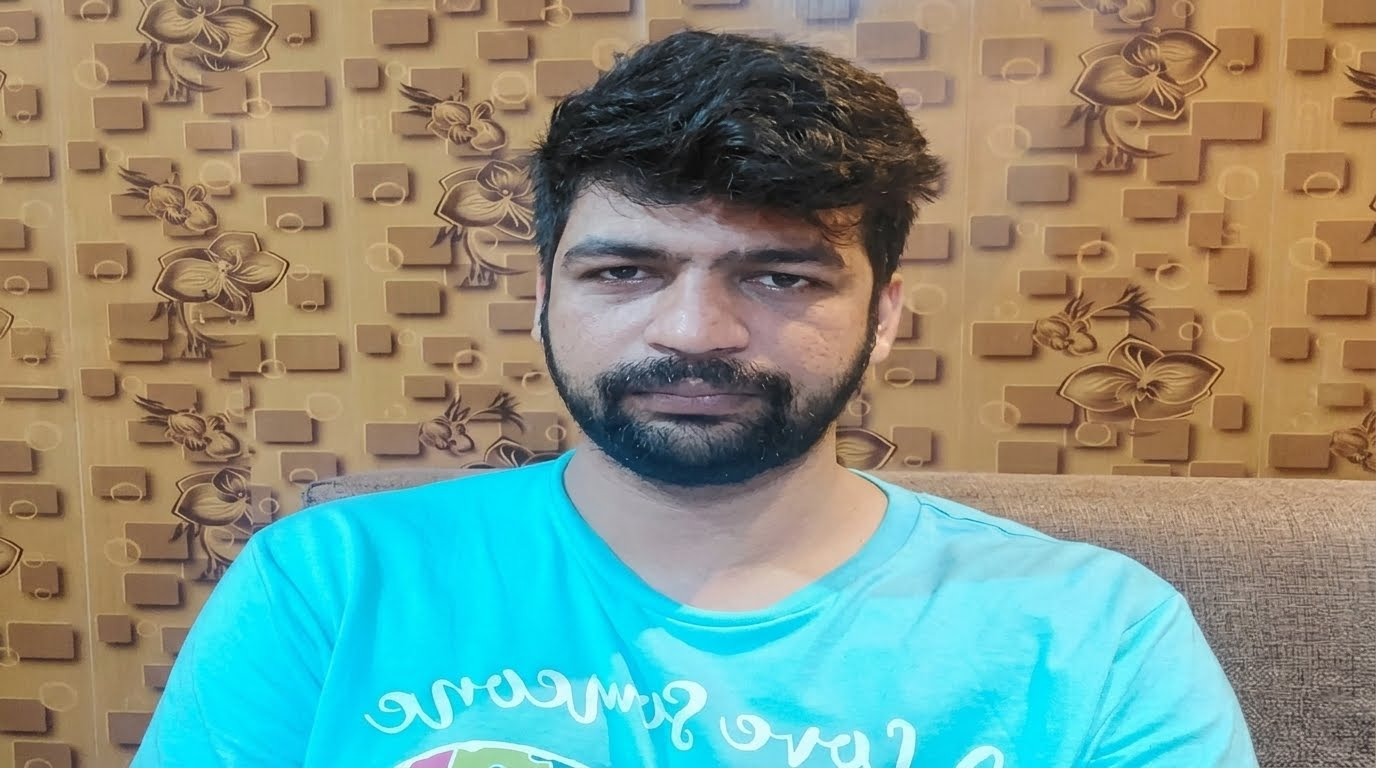
The case has also reached Pakistan. Authorities arrested Faheem Akram, a 33-year-old man from Khanewal, Punjab, on October 20, 2026, according to the Associated Press. On October 21, a Lahore magistrate granted the National Cyber Crime Investigation Agency (NCCIA) five days of physical remand for questioning, according to Dawn.
The central allegations are no longer based solely on a press release. A 12-page federal indictment filed on September 22, 2026, in the US District Court for the Southern District of Florida sets out the charges and describes specific transactions and communications that prosecutors say formed part of the alleged scheme.
The document is a charging record, not a verdict. The allegations still have to be established through the legal process.
Here is how the case developed, what the indictment (PDF Link)actually says, and what online sellers can learn from it.
Securityx investigation timeline
Inside the LabelsBank.com Case
A chronological guide to the allegations, payment references, federal charges, domain seizure and reported arrest in Pakistan. Here is what the charging document says, and what later reporting adds to the story.
How the alleged operation fits together
A simplified visual explanation of the prosecution’s account. It is not a reconstruction of every transaction or a finding that the alleged conduct has been proved.
1. Website
LabelsBank.com allegedly offered postage labels through an online service prosecutors say was not authorised by USPS.
2. Low price
The indictment says labels were typically sold for $2, regardless of service, destination, weight or dimensions.
3. Label use
The charging document cites examples of alleged counterfeit labels and describes messages about postal acceptance.
4. Investigation
Authorities announced a federal indictment and domain seizure. Pakistani media later reported Akram’s arrest.
How the case developed
Ten milestones drawn from the indictment, official announcements and published reporting. Each entry identifies the relevant source or type of information.
The alleged operation begins
The indictment alleges that the scheme began around August 2023 and continued through the return of the indictment in September 2026. Prosecutors say LabelsBank.com was not authorised to sell US Postal Service postage.
A hosting payment is described in the indictment
Prosecutors list an alleged payment by a co-conspirator to a cloud-hosting company for website hosting. The indictment includes this transaction among the alleged overt acts.
A second hosting-related transfer is alleged
The indictment alleges that Faheem Akram wired funds to a hosting company. It presents this as another event connected to the alleged operation.
A cryptocurrency payment route is alleged
According to an overt act listed in the indictment, a WhatsApp communication allegedly instructed a prospective customer to pay a cryptocurrency exchange wallet held in Akram’s name.
Specific alleged counterfeit labels are cited
The indictment identifies examples dated December 19, 2025, January 26, 2026, and February 25, 2026. These examples form the basis of separate counterfeit-postage counts.
The listed examples were associated with recipients in several US states. Describe them as examples cited by prosecutors, not as independently authenticated exhibits unless the underlying exhibits are available.
WhatsApp messages discuss postal acceptance
The indictment describes a customer saying USPS would not accept LabelsBank.com labels. An alleged reply advised the customer to change the drop-off point and not ask postal staff to check the label.
“For scanner, they are good to go.” Excerpt from an alleged WhatsApp exchange described in the indictment.
A bank account and payment description are alleged
The indictment says a June 4 WhatsApp message allegedly provided a bank account at a Pakistan-based financial institution held in Akram’s name. A June 12 message allegedly instructed a customer to describe a transaction as payment for goods.
A federal indictment is filed
The case record identifies an indictment in the US District Court for the Southern District of Florida. It charges one conspiracy count, five counterfeit-postage counts and four wire-fraud counts.
The indictment alleges more than 5.1 million labels were sold to over 5,200 people and that USPS suffered more than $126 million in lost revenue and related costs.
The DOJ announces charges and the domain seizure
The US Department of Justice publicly announced the indictment and said a court order authorised the seizure and shutdown of LabelsBank.com.
Original editorial illustration. It represents the domain seizure announced by the DOJ; it is not a screenshot of the official seizure page.
Pakistani authorities report an arrest and court remand
Pakistani authorities and news organisations reported that Akram was arrested in October 2026. Dawn reported on October 21 that a magistrate granted the NCCIA five days of physical remand.
Reporting also described investigators examining 16 bank accounts allegedly linked to the business. Attribute these details to the authorities and reporting; they are not all findings contained in the US indictment.
Sources and further reading
1. August 2023: The alleged operation begins
The indictment alleges that the scheme began at least as early as August 2023 and continued through September 22, 2026, the date the grand jury returned the indictment.
Prosecutors identify Akram, also referred to in the document as “Fahim Akram,” as the principal and beneficial owner of LabelsBank.com. The indictment alleges that he and others created and maintained the website to sell forged and counterfeit US postage labels.
The site offered labels at a fixed price, typically $2 each, regardless of the shipping service, destination, package weight or dimensions. According to the indictment, LabelsBank.com was not authorised by USPS to make or sell postage.
The distinction matters because USPS does permit authorised third-party vendors to generate postage online. The allegation is not that online postage is inherently suspicious. It is that this particular website allegedly sold counterfeit labels without the postal service receiving the proper postage payment.
Prosecutors allege that the site attracted thousands of buyers by offering prices far below legitimate shipping rates.
2. 2024: Website hosting payments appear in the indictment
The indictment lists specific actions that prosecutors say helped maintain the alleged operation.
One example is dated September 2, 2024, when a co-conspirator allegedly wired funds to a cloud-based internet hosting company to pay for the LabelsBank.com website.
A second example is dated November 29, 2024, when Akram allegedly wired funds to a hosting company for the same purpose.
These entries are part of the indictment’s list of alleged overt acts. They show the kinds of transactions prosecutors intend to rely on when presenting their case, but they do not independently establish guilt.
The distinction is important: the document records the prosecution’s allegations about these payments, rather than a court’s final determination of what happened.
3. October 2025: A payment route involving cryptocurrency
The indictment next describes an alleged customer interaction on October 24, 2025.
According to prosecutors, Akram and others advised a potential customer through WhatsApp to send payment for counterfeit postage to a cryptocurrency exchange wallet held in Akram’s name.
The document presents this as one of the alleged transactions connected to the operation. It does not provide a complete public accounting of all payments received, all funds transferred, or the final destination of every payment.
That distinction matters when assessing the financial side of the case. A payment route identified in a charging document is evidence of what prosecutors allege happened in a particular transaction. It is not, by itself, a complete reconstruction of the operation’s finances.
4. December 2025 to February 2026: Specific counterfeit labels are identified
The indictment also identifies five individual postage-label examples underlying the five counterfeit-postage counts.
The listed dates are December 19, 2025; January 26, 2026; and February 25, 2026. The document describes labels bearing USPS tracking numbers and intended for recipients in several US states.
These examples are more specific than the overall figures of 5.1 million labels and 5,200 customers. They identify individual transactions that prosecutors have chosen to include in the charges.
The five examples form Counts 2 through 6 of the indictment, each alleging the making and selling of a forged or counterfeit postage stamp under federal law.
However, the five charged examples should not be confused with the total number of labels allegedly sold. The broader figure of more than 5.1 million comes from the indictment’s overall allegations about the website.
5. April 6, 2026: WhatsApp exchanges become a key part of the case
One of the most significant sections of the indictment concerns alleged WhatsApp conversations on April 6, 2026.
According to the document, a customer reported that USPS would not accept LabelsBank.com postage. Prosecutors allege that Akram and others responded by telling the customer to “change the dropoff point” and not to ask USPS to check the label.
The indictment also describes a separate exchange with a potential customer who asked whether there was anything they needed to know about the postage being offered.
The response quoted in the document included the following statement:
“usps does not get anything from this price.”
The message also allegedly described the labels as “trick based” and claimed they would work when scanned.
These exchanges are important because they go beyond the website’s advertised price. Prosecutors cite them as examples of communications that allegedly showed how the labels were marketed and what prospective buyers were told.
But there is a necessary legal distinction. The messages are presented in the indictment as part of the prosecution’s allegations. Their full context, interpretation and evidentiary significance remain matters for the legal process.
Readers should not treat a quoted allegation in an indictment as though a court has already determined the accused’s guilt.
6. June 2026: A bank account in Pakistan is identified
The indictment describes two further alleged customer interactions in June 2026.
On June 4, prosecutors allege that Akram and others used WhatsApp to provide a potential customer with a bank account at a Pakistan-based financial institution held in Akram’s name.
On June 12, the indictment alleges that a customer was instructed to describe a financial transaction with LabelsBank.com as a payment for goods.
These entries connect the alleged online sales activity with payment instructions involving Pakistan. They also help explain why financial transactions became a part of the investigation.
The indictment does not, however, establish the guilt of every person who may have held an account or been associated with a transaction. Any person’s knowledge or involvement must be assessed on the evidence relating to that person.
The document also does not provide a complete account of the website’s total revenue, operating costs, or the ultimate destination of all funds allegedly received.
7. September 22, 2026: A federal grand jury returns the indictment
The federal indictment was entered on the docket of the US District Court for the Southern District of Florida on September 22, 2026. The DOJ announced the charges publicly on September 28.
The document lists ten counts:
- Count 1: Conspiracy to defraud the United States and to make and sell forged or counterfeit postage stamps.
- Counts 2–6: Five counts alleging the making and selling of forged or counterfeit postage stamps.
- Counts 7–10: Four counts of wire fraud.
The wire-fraud allegations include the alleged transmission of counterfeit postage labels and the April 6 WhatsApp message described earlier.
The DOJ says the conspiracy and counterfeit-postage counts carry maximum potential prison terms of five years, while each wire-fraud count carries a maximum of 20 years, if convicted. These are statutory maximums, not predictions of the sentence in this case.
The indictment also includes forfeiture allegations. It identifies the LabelsBank.com domain among the property that prosecutors seek to subject to forfeiture if the applicable legal conditions are met.
An indictment is a formal accusation by a grand jury. It does not establish that the defendant committed the alleged offences. The DOJ explicitly states that defendants are presumed innocent until proven guilty beyond a reasonable doubt.
Primary document: Read the US Department of Justice announcement. The case is identified as No. 26-cr-60249. Readers can also consult the court’s records through the US District Court for the Southern District of Florida or PACER.
8. September 2026: LabelsBank.com is shut down
In conjunction with the indictment, a court order authorised the seizure and shutdown of the LabelsBank.com domain.
The US Postal Inspection Service (USPIS) confirmed the domain seizure and described the alleged sale of millions of counterfeit postage labels.
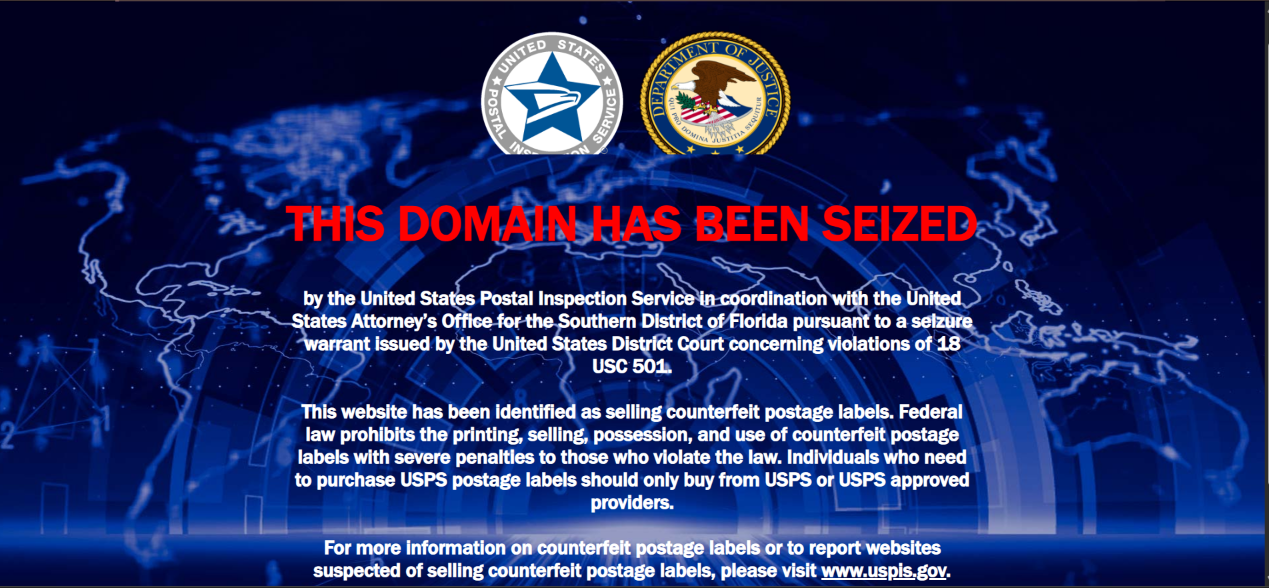
The shutdown disrupted the website identified in the prosecution. It did not, by itself, resolve the criminal charges or establish every allegation in the indictment.
The action also illustrates an important point about online commerce: a website can accept payments, offer a polished checkout and provide downloadable products without proving that it is authorised to sell what it advertises.
For customers, verifying the provider is more reliable than judging legitimacy by the appearance of a website.
9. October 20, 2026: Pakistani authorities arrest Akram
The next major development came in Pakistan.
On October 20, the Associated Press reported that Pakistani authorities had arrested Akram after a weeks-long search involving raids in several parts of the country.
The report cited Atif Ameer, a senior NCCIA official. Akram was identified as a resident of Khanewal in Punjab province.
The AP report also said Pakistani investigators had identified 16 bank accounts used in connection with the business, including accounts associated with Akram and close relatives. This information was attributed to Pakistani investigators; it does not establish that every account holder knew about or participated in the alleged conduct.
At the time of the report, it remained unclear whether Akram would be extradited to the United States or face proceedings in Pakistan.
The arrest brought another jurisdiction into the public account of the case, but it did not resolve the underlying allegations. Any future proceedings will depend on the applicable legal processes and the evidence presented.
10. October 21, 2026: A Lahore court grants five days of remand
On October 21, Dawn reported that a judicial magistrate in Lahore granted the NCCIA five days of physical remand for questioning. Investigators had reportedly requested 14 days.
According to Dawn’s report, an NCCIA official also said that eight special teams had been formed across Punjab, Islamabad and Sindh as part of the search and investigation.
Physical remand is a procedural step that allows investigators to question a suspect under the applicable legal process. It is not a conviction or a finding that the allegations have been proved.
For readers in Pakistan, this development is significant because the allegations concern a website selling US postage, while the suspect identified by US prosecutors was arrested in Pakistan.
The US criminal case and the Pakistani investigation should nevertheless be distinguished. Developments in one jurisdiction do not automatically determine the outcome of proceedings in the other.
11. What does the alleged $126 million loss actually mean?
The largest figure in the case is also one of the easiest to misunderstand.
The indictment alleges that more than 5.1 million counterfeit labels were sold to over 5,200 individuals, causing more than $126 million in lost revenue to USPS.
That is an allegation about losses to the postal service. It is not proof that Akram personally received $126 million, nor does it establish that customers collectively lost that amount.
Sales revenue, operating costs, funds received by particular individuals and losses suffered by USPS are different financial measures.
The indictment alleges that the counterfeit labels allowed parcels to be shipped without the proper postage payment and that USPS incurred both lost revenue and additional costs for handling shipments. However, the document does not provide a complete public breakdown of the loss calculation.
It would therefore be misleading to divide the total by the number of labels and present the result as an official loss per label. The figures describe the prosecution’s overall allegation, not a published calculation showing an identical financial impact for every shipment.
The most accurate wording remains: prosecutors allege more than $126 million in lost USPS revenue.
12. What could counterfeit postage mean for customers?
The consequences of counterfeit postage can extend beyond the seller of the labels and the postal service.
The US Postal Inspection Service’s counterfeit-postage guidance warns consumers about counterfeit stamps and labels. It states that mail bearing counterfeit postage may be considered abandoned and may be opened and disposed of at USPS’s discretion.
For an online seller, a shipment that does not reach its destination can lead to customer complaints, refund requests, replacement shipping costs and reputational damage.
These are potential consequences of counterfeit postage generally. The public announcements about LabelsBank.com do not establish how many of its customers experienced these outcomes, whether every label was used, or whether individual customers knowingly purchased counterfeit postage.
A buyer may be attracted by a discount without understanding what is being sold. That possibility is one reason it is important to distinguish customers’ potential exposure from the conduct prosecutors allege against the website’s operator.
If a customer suspects that a label is counterfeit, the sensible step is to stop using questionable labels and contact the relevant postal service or authorised provider for guidance.
13. How to check a suspicious postage offer
The case offers practical lessons for businesses and individuals who buy shipping services online.
Be cautious of unusually low prices. A discount alone does not prove fraud, but a provider offering postage far below legitimate rates should be able to explain how its service is authorised.
Verify the provider. Check whether the seller is authorised by the relevant postal service or operates through a recognised, legitimate arrangement. Do not assume that a website is trustworthy simply because it accepts payments.
Do not rely on the label’s appearance. A barcode, tracking number or professional design does not independently prove that valid postage has been purchased.
Treat testimonials as supporting information, not proof. Reviews and screenshots cannot independently establish a provider’s authorisation or the validity of its postage.
Keep transaction records. Retain receipts, order confirmations, seller details and relevant correspondence. These records can help if a dispute arises or a suspected fraud needs to be reported.
Report suspected counterfeit postage. For cases involving USPS, readers can use the Postal Inspection Service’s official reporting page, which provides access to its reporting process for suspected counterfeit postage and related revenue-fraud schemes.
For businesses shipping products regularly, the lesson is not that every discount provider is fraudulent. It is that the savings should be verified before the service is trusted.
14. What remains unresolved?
The indictment provides considerably more detail than the initial public announcement, including specific alleged transactions, communications, charges and forfeiture allegations. It still does not settle the case.
The allegations must be tested through the legal process. The full financial trail, the ultimate destination of all funds, the knowledge of individual customers and the roles of any other people must not be inferred beyond what reliable evidence establishes.
The public reporting available on October 21 also left the next legal steps in Pakistan unresolved, including whether Akram would be extradited to the United States or face proceedings in Pakistan.
These questions matter because they separate what the documents allege from what has been established.
Securityx should update this story when reliable new information becomes available, particularly court filings, official statements or developments in the Pakistani proceedings. Updates should be dated and attributed, rather than quietly changing the account of what was previously known.
The bigger lesson: A cheap label can carry a hidden cost
The indictment alleges that LabelsBank.com sold millions of counterfeit postage labels at a fixed price of around $2 each, depriving USPS of legitimate postage revenue and imposing additional shipping costs. Prosecutors cite more than 5.1 million labels, over 5,200 customers and more than $126 million in alleged lost revenue.
The document also sets out specific alleged WhatsApp exchanges, payment instructions and label transactions. Those details make the case more concrete, but they remain allegations until established through the legal process.
The website’s domain was seized, US federal charges were announced, and Pakistani authorities subsequently arrested Akram. A Lahore court then granted investigators five days of physical remand.
The case has not been resolved by these developments. Akram remains presumed innocent unless proven guilty.
For online sellers and consumers, the practical lesson is clear: a low price and a professional-looking website are not enough to establish that a service is legitimate. Before trusting an unusually attractive offer, verify the provider and understand what the payment actually buys.
Saving money is sensible. Trusting a deal without checking what stands behind it can be a much more expensive mistake.
Sources and documents
- Federal indictment: Case No. 26-cr-60249
- US Department of Justice: Federal charges announced September 28, 2026
- US Postal Inspection Service: LabelsBank.com domain seizure
- US Postal Inspection Service: Counterfeit-postage guidance
- Associated Press: Arrest report, October 20, 2026
- Dawn: Remand report, October 21, 2026
Editorial note: The indictment contains allegations, not findings of guilt. All defendants are presumed innocent until proven guilty beyond a reasonable doubt in a court of law.

Community discussion
Join the conversation
0 comments
Be the first to join in
There are no comments yet. Sign in to start a thoughtful discussion.
Sign in to comment
Join the conversation with your Secritic account. Comments are available to signed-in readers.